License Plate Recognition (LPR) for Average Speed Enforcement (ASE)
Average Speed Enforcement uses License Plate Recognition to calculate a vehicle’s average speed between two points, ensuring accurate and reliable speed enforcement for safer roads.
Key Features
Benefits
Average Speed Enforcement Models
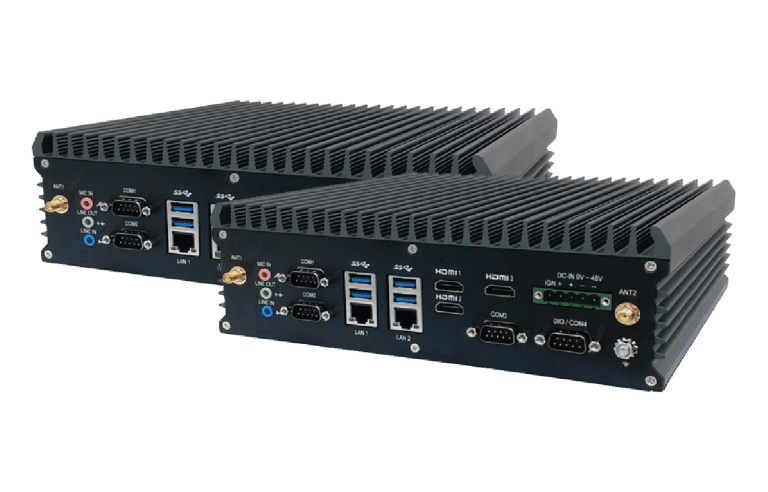
ASE-EX
Industrial-grade LPR unit with real-time on-site processing and instant third-party integration.
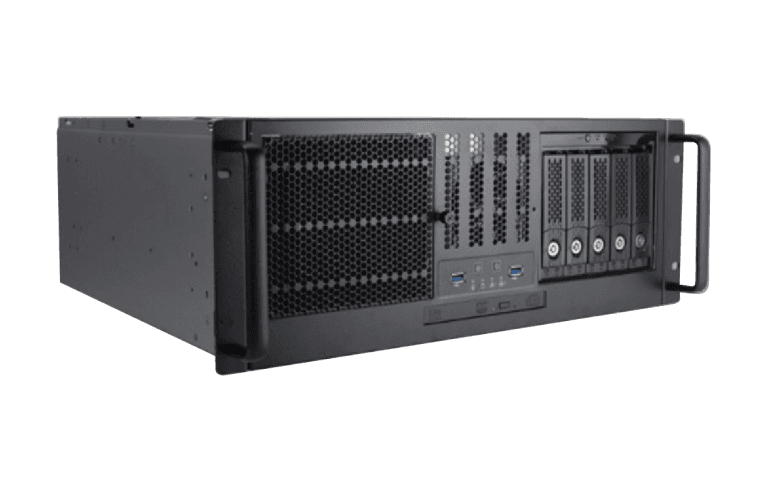
ASE-C
Rack-mounted LPR server supporting up to 10 real-time channels for large-scale deployments.
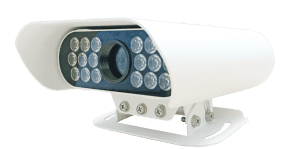
ASE-Camera
High-performance mobile LPR camera with built-in processing for field enforcement.
Series Functions
Understanding Average Speed Enforcement
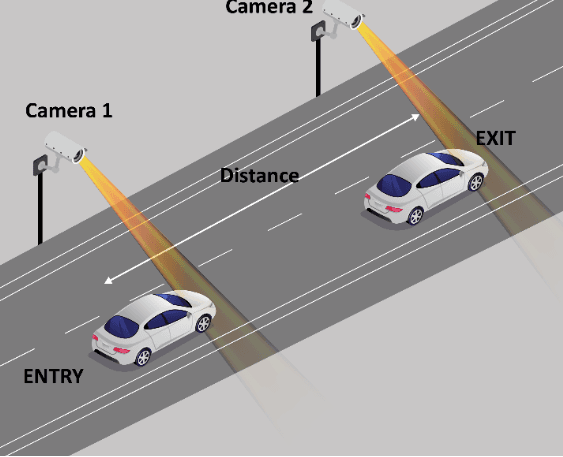
Average speed enforcement (ASE), also called section control or point-to-point (P2P) speed enforcement works by measuring the amount of time it takes the vehicle to drive between two points and then calculates the average speed of the vehicle.
The vehicle is identified through their license plate when entering the enforcement section, and again when leaving it. The vehicles’ plates are then matched and calculated based on the time interval between these two points.
If the vehicle’s average speed exceeded the average speed limit for the length of road, the vehicle will be categorized as overspeeding
Ready to Elevate Your Services?
Book a Demo Today!
Boost your workflow with powerful tools, real-time updates, and smart analytics.